
Why Mental Health Support for Kids Matters
If you are a parent in Surrey or Langley, you’ve likely noticed that childhood isn’t as simple as it once was. Today’s children face higher levels of stress and anxiety than ever before. According to the Canadian Mental Health Association, nearly one in five children and youth will experience a mental health problem before the age of 18. Yet, only a fraction receive the support they need.
At school, kids are expected to manage heavy academic workloads, adapt to fast-paced classrooms, and navigate complex social situations. At home, parents often see the effects—tantrums after school, sleepless nights, or constant battles over homework and screen time. Many families describe feeling exhausted and unsure how to help.
This is where child counselling and neurofeedback therapy come in. These approaches offer practical, evidence-based ways to help children feel calmer, more focused, and more resilient. For parents searching child counselling Surrey BC, child therapist near me, or neurofeedback for kids, the goal is always the same: finding trusted support that can make a real difference.
Why Early Support Matters
Children’s brains and emotional patterns are still developing. Getting help early can prevent small struggles from turning into long-term difficulties. Research shows that early interventions like counselling and neurofeedback not only reduce current symptoms but also build stronger foundations for mental health, learning, and relationships throughout life.
A Message to Parents
If you’ve been noticing your child struggling with anxiety, behaviour issues, or focus at school, you are not alone—and you don’t have to wait for things to get worse. With the right support, children can learn tools to manage their emotions, improve focus, and thrive both at home and in the classroom.
At Sojourn Counselling and Neurofeedback, our mission is simple: to walk alongside families and provide compassionate, effective care that meets your child’s unique needs.

Common Challenges Children and Youth Face
Every child is unique, but many parents describe remarkably similar struggles. Whether it’s school anxiety, behaviour issues at home, or ongoing ADHD support needs, these challenges often feel overwhelming for families.
At School
School can be both exciting and stressful. Children are expected to manage academics, friendships, and routines all at once. For some, this leads to:
- Academic Stress & Test Anxiety – Worrying about grades or exams can leave children feeling tense, avoidant, or even physically ill before school.
- Attention & Focus Difficulties – Children with ADHD or executive function challenges may struggle to sit still, follow instructions, or stay on task, which affects learning and classroom behaviour.
- Peer Pressure & Bullying – Social challenges are common. Some children feel isolated or excluded, while others face bullying that undermines their self-esteem.
- Performance Anxiety – Fear of speaking in front of classmates, reading aloud, or participating in group activities can hold children back from showing their full potential.
At Home
Parents often see the after-effects of school stress once their child is back in the comfort of home:
- Emotional Outbursts – Meltdowns, tantrums, or irritability after school are common signs that children are holding in stress all day.
- Sleep Problems – Anxiety, overstimulation, or racing thoughts can interfere with sleep, leading to cranky mornings and difficulty concentrating the next day.
- Sibling Conflict & Family Stress – Struggles with self-regulation can spill into family dynamics, creating frequent fights or tension in the household.
- Technology Battles – Screen time can become a major stress point, with children using devices to self-soothe but struggling to transition away from them.
The Impact on Families
These challenges affect more than just the child—they ripple across the entire family. Parents may feel exhausted, guilty, or unsure if they’re “doing enough.” Siblings may feel overlooked as parents focus on the child who is struggling. Family routines—from mealtimes to bedtimes—can feel like uphill battles.
Why This Matters
These issues are not a reflection of poor parenting. They are signals that a child’s emotional, social, or neurological systems need extra support. Counselling and neurofeedback provide safe, structured ways to help children build resilience, develop coping strategies, and restore balance both in the classroom and at home.
How Counselling Helps Children
When children are struggling, parents often do everything they can at home—listening, reassuring, and offering guidance. But sometimes, kids need a safe space outside the family to explore their feelings and learn new skills. This is where child counselling comes in.
What Counselling Looks Like for Kids
Counselling for children is different than for adults. Since many children don’t yet have the words to explain what they’re going through, counsellors use age-appropriate approaches that help kids express themselves naturally:
- Play Therapy – Toys, games, and art allow children to “show” their feelings when words fall short.
- Cognitive Behavioural Therapy (CBT) – Teaches children to notice unhelpful thought patterns and practice healthier coping strategies.
- Emotion-Focused Therapy for Families – Helps parents and children understand each other better and strengthen bonds.
- Mindfulness-Based Approaches – Simple breathing or grounding exercises can help children calm their bodies and regulate emotions.
These methods are adapted to each child’s age, personality, and cultural background. The goal is not to “fix” the child, but to equip them with tools for resilience and strengthen the family system around them.
Benefits of Counselling for Children
Emotional Expression – Children learn how to name and express feelings like sadness, frustration, or worry instead of acting them out.
- Self-Regulation Skills – Kids practice calming strategies they can use at school, during sports, or at bedtime.
- Confidence and Self-Esteem – Counselling helps children recognize their strengths, which reduces self-doubt.
- Improved Communication – Children gain the ability to share thoughts and needs with parents and teachers more effectively.
- Reduced Anxiety and Depression – Evidence-based interventions like CBT have strong outcomes in lowering symptoms.

What the Research Says
Parents often want reassurance that therapy is backed by science—and it is.
Cognitive Behavioural Therapy (CBT) has been repeatedly shown to be one of the most effective treatments for child anxiety and depression. A 2022 review confirmed CBT produces significant and lasting reductions in symptoms in children and adolescents.
For children with ADHD and anxiety, CBT has demonstrated improvements not only in symptom management but also in quality of life and daily functioning.
Research also highlights that when parents are involved in therapy, children’s outcomes are stronger and more sustainable.
A Parent’s Perspective
Imagine an 11-year-old who refuses to go to school because of anxiety. Through counselling, she learns to recognize when worry starts to rise, practice calming strategies, and slowly rebuild confidence. Parents notice fewer morning battles, improved attendance, and a happier child overall.
Or consider a 9-year-old with ADHD whose impulsive behaviour is causing conflict at school and home. Counselling helps him learn self-control strategies, while his parents gain coaching on how to respond consistently. Over time, both his academic performance and family relationships improve.
Key Takeaway for Parents
Counselling is not about pathologizing or labeling your child. It’s about giving them—and you—the skills, confidence, and support to navigate life’s challenges. When combined with neurofeedback, the benefits extend even further, addressing both emotional and neurological aspects of a child’s well-being.
What Is Neurofeedback Therapy for Kids?
Parents often hear the term neurofeedback and wonder: “What exactly is it, and how can it help my child?” Neurofeedback is a form of brain training that helps children regulate their own nervous systems. Unlike medication, which alters brain chemistry, neurofeedback uses the brain’s natural ability to learn and adapt.
How It Works
During a session, your child sits comfortably while small sensors are placed on their scalp. These sensors measure brain activity—nothing goes into the brain, it’s simply recording.
The child then engages with a computer program, often watching a movie or playing a simple game. When the brain is in a calm, regulated state, the movie plays smoothly. When the brain becomes dysregulated (e.g., distracted, over-aroused), the movie pauses or the feedback changes.
Through repeated sessions, the brain learns how to stay in balanced, regulated states more often—just like practicing a musical instrument or a sport.
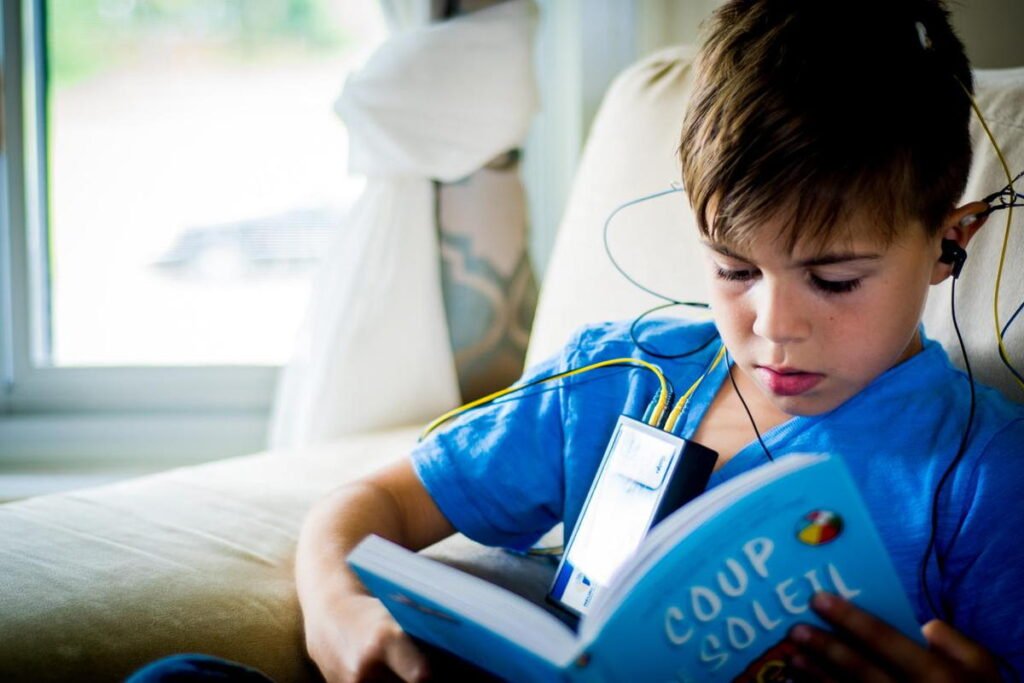
What Kids Experience
- Sessions are non-invasive and painless.
- Children often find the process relaxing or even fun.
- No effort is required—they don’t have to “try harder,” their brain is doing the learning naturally.
- Parents often notice changes after several sessions: calmer behaviour, better focus, and improved sleep.
Benefits of Neurofeedback for Children
- Attention and Focus – Especially helpful for children with ADHD or concentration difficulties.
- Emotional Regulation – Reduces meltdowns, anxiety, and irritability.
- Sleep Improvement – Helps children fall asleep faster and wake more rested.
- Behavioural Improvements – Decreases impulsivity and aggression.
- Academic Support – Children often report clearer thinking and better school performance.
What the Research Says
A systematic review and meta-analysis confirmed that neurofeedback produces significant, long-term reductions in ADHD symptoms, with improvements seen across home and school settings.
Randomized controlled trials show neurofeedback is more effective than traditional attention training programs in reducing ADHD symptoms and improving daily life functioning.
Studies highlight neurofeedback’s effectiveness particularly for inattention symptoms, supporting children who struggle to stay focused in school.
A Real-Life Example
Consider a 10-year-old boy with ADHD who struggles to sit still in class, often getting in trouble for blurting out answers or distracting peers. After several weeks of neurofeedback, his teachers report noticeable improvements in focus and fewer classroom disruptions. At home, his parents notice calmer evenings and less resistance to bed time.
Why Parents Choose Neurofeedback
Many families look for non-medication treatment options because they want alternatives to stimulants or because medications alone are not enough. Neurofeedback offers:
- A drug-free, safe approach.
- Lasting brain-based changes rather than short-term symptom suppression.
- A supportive process children often enjoy.
For parents searching neurofeedback therapy, neurofeedback for kids, or non-medication treatment for ADHD, this approach represents a hopeful and evidence-backed path forward.
Benefits for School Success
For many parents, the first signs that their child is struggling show up at school. Teachers may mention that a child has difficulty focusing, gets overwhelmed easily, or avoids certain activities. Homework battles at home often reinforce the sense that learning has become stressful.
Both counselling and neurofeedback therapy are powerful tools for addressing the underlying challenges that affect school performance.

How Counselling Supports Learning
- Anxiety Reduction – A child who feels calmer is more likely to raise their hand, try new things, and participate in group work.
- Problem-Solving Skills – Counselling teaches children to manage setbacks like a poor test grade without shutting down.
- Social Confidence – Therapy helps children navigate peer dynamics, making recess, group projects, and presentations less intimidating.
- Resilience – Kids learn coping strategies that reduce avoidance behaviours (e.g., refusing to go to school).
How Neurofeedback Boosts Academic Skills
- Improved Concentration – Children sustain attention longer and tune out distractions.
- Better Memory – Strengthening brain regulation helps with recall of lessons and test material.
- Classroom Engagement – Teachers often notice children are less disruptive, more attentive, and more motivated.
- Executive Functioning – Planning, organization, and task completion improve, making homework less of a battle.
What the Research Shows
Studies consistently show that mental health and academic achievement are closely linked. Children with better socio-emotional well-being achieve higher academically and enjoy stronger peer relationships.
A systematic review confirmed that neurofeedback reduces ADHD symptoms and improves learning outcomes, with effects lasting beyond the treatment period.
Counselling approaches like CBT have been shown to reduce test anxiety and improve classroom participation.
A Parent’s Perspective
Imagine a 12-year-old girl who has started refusing to write tests because of anxiety. Through counselling, she learns to challenge negative thoughts (“I’m going to fail”) and replace them with calming strategies. After several weeks, she not only completes her exams but does so with more confidence.
Or consider an 8-year-old boy with ADHD. After neurofeedback sessions, his teacher reports he can sit through lessons without constant reminders, and his reading comprehension has improved. Homework, once a nightly battle, becomes more manageable.
Why This Matters
When children feel emotionally balanced and neurologically regulated, they can focus on what truly matters—learning, growing, and enjoying school. Parents searching for therapy for students, improve focus at school, or ADHD therapy alternatives are often looking for exactly these kinds of outcomes.
Benefits for Family and Home Life
While school is often where challenges first appear, parents usually feel the greatest impact at home. Evenings that should be calm and connecting can instead feel like constant battles over homework, bedtime, or behaviour. Siblings may complain about fairness, and parents may feel overwhelmed by trying to keep peace in the household.
Counselling and neurofeedback do more than help a child at school—they bring relief and balance back into family life.
Family Benefits of Counselling
- Calmer Evenings – Fewer meltdowns after school, smoother transitions to dinner, homework, and bedtime.
- Better Communication – Children gain the ability to say “I’m mad” or “I need help” instead of yelling or shutting down.
- Stronger Relationships – Parents feel more connected to their child and better able to understand what’s going on inside.
- Reduced Parent Stress – Families feel more equipped and confident to handle difficult behaviours.
Family Benefits of Neurofeedback
- Less Reactivity – The child’s brain becomes more flexible, meaning they can calm down more quickly after frustration.
- Improved Sleep – Children fall asleep faster, which creates calmer mornings for everyone.
- Consistent Behaviour Improvements – Parents notice fewer explosive episodes, less sibling conflict, and a more cooperative child overall.
What the Research Shows
A meta-analysis found that parent–child therapy produces stronger outcomes than child-only therapy, particularly in reducing behaviour problems and strengthening relationships.
Reviews of family-based interventions show that parent involvement not only enhances treatment effectiveness but also helps changes last longer.
Neurofeedback research shows benefits beyond school, including emotional regulation and daily life improvements, which parents consistently notice in the home setting.
A meta-analysis found that parent–child therapy produces stronger outcomes than child-only therapy, particularly in reducing behaviour problems and strengthening relationships.
Reviews of family-based interventions show that parent involvement not only enhances treatment effectiveness but also helps changes last longer.
Neurofeedback research shows benefits beyond school, including emotional regulation and daily life improvements, which parents consistently notice in the home setting.
A Family Story
Take the example of an 8-year-old who comes home from school exhausted and irritable, snapping at siblings and resisting bedtime. After beginning counselling and neurofeedback, his parents notice a shift: instead of meltdowns, he asks for quiet time in his room. Evenings become calmer, and his siblings start enjoying spending time together again. Parents describe the atmosphere at home as “lighter” and “more hopeful.”
Why It Matters
When families function more smoothly, everyone benefits. Parents can enjoy time with their children instead of constantly managing crises. Siblings feel more connected, and the child who is struggling begins to experience home as a safe, supportive place where they can recharge.
For parents searching parent child relationship counselling or behaviour therapy for kids at home, counselling and neurofeedback offer practical, proven strategies that restore peace and connection within the family.
How Parents Can Support Their Child’s Therapy Journey
Starting counselling or neurofeedback is an important step, but parents often wonder: “What can I do to help at home?” Research consistently shows that when parents are actively involved, children’s outcomes are stronger and last longer. Therapy is not something that happens in isolation—it’s a process that works best when the whole family participates.
Practical Ways Parents Can Support Therapy
Commit to Consistency
Regular attendance is one of the strongest predictors of success. Even if progress feels slow at first, sticking with sessions allows skills and brain changes to take root.
Tip: Treat therapy like any other important appointment (doctor, dentist, extracurriculars).
Reinforce Skills at Home
Counsellors may suggest coping tools such as deep breathing, journaling, or emotion naming. Parents can gently encourage kids to practice these strategies outside sessions.
Tip: Practice alongside your child—modeling calm breathing or problem-solving together shows you’re on the same team.
Collaborate with Providers
Share observations with your child’s counsellor or neurofeedback provider. Small updates (better sleep, fewer meltdowns, increased focus) help guide treatment.
Many families also choose to loop in teachers, creating a circle of support at home and school.
Be Patient with Progress
Change is gradual. Counselling often starts with increased awareness, followed by new skill development, and then long-term integration. Neurofeedback typically requires 20–40 sessions for lasting results, though parents may notice changes earlier.
Tip: Celebrate small wins—a calmer morning routine, improved sibling interaction, or reduced bedtime struggles.
Create a Supportive Home Environment
Establish routines, reduce unnecessary stress, and prioritize downtime. A predictable, calm home environment amplifies the benefits of therapy.
Tip: Set aside short daily check-ins where your child feels safe to share how they’re doing.
Why Parent Involvement Matters
Studies confirm that parent participation in therapy improves outcomes significantly, particularly for reducing disruptive behaviours and supporting emotional regulation.
Parents who actively engage in the process feel more confident, less stressed, and more connected to their child.
Kids who see their parents valuing therapy are more motivated to engage themselves.
A Parent’s Reflection
One mother of a 13-year-old with anxiety shared:
“I thought therapy was just for my daughter, but once I got involved—learning her coping strategies and adjusting my responses—our whole relationship shifted. We talk more, fight less, and I finally feel like I know how to help her.”
Key Takeaway
You don’t need to be a therapist for your child—you just need to be present, consistent, and willing to learn alongside them. By actively participating in the process, parents turn therapy from an appointment into a family-wide journey of growth and resilience.
Why Choose Sojourn Counselling and Neurofeedback
When parents start searching child counsellor Surrey BC or youth therapy near me, the options can feel overwhelming. What sets Sojourn Counselling and Neurofeedback apart is not just what we offer, but how we partner with families.
Specialized Support for Children and Youth
Our counsellors understand that children are not just “small adults.” They need developmentally tailored approaches that combine play, creativity, and structure. Whether your child struggles with anxiety, depression, ADHD, behaviour challenges, or school stress, we create a plan that matches their unique needs.
Evidence-Based Counselling
Our team uses proven approaches such as Cognitive Behavioural Therapy (CBT), emotion-focused therapy, mindfulness, and play therapy. These methods have been shown to reduce anxiety, improve emotional regulation, and strengthen family connections.
Cutting-Edge Neurofeedback
As one of the few clinics in Surrey and Langley offering neurofeedback for kids, we provide families with access to a non-invasive, medication-free brain training option. This is especially beneficial for children with ADHD, anxiety, or sleep difficulties.
Family-Centred Care
At Sojourn, parents are never left on the sidelines. We actively involve families in the process, offering guidance on parenting strategies for anxious children, ways to reinforce coping skills at home, and opportunities to strengthen family communication.
Accessible and Convenient
📍 Located in Surrey, easily accessible to families in Cloverdale, Langley, and the surrounding area.
🕑 Evening and weekend appointments available for busy schedules.
💳 Direct billing offered to many extended health insurers through TELUS eClaims, making therapy more affordable and easier to access.
🌐 In-person and secure online sessions available to meet your family’s needs.
Our Commitment to Your Child
We know that seeking help can feel daunting. That’s why our mission is simple: to provide a safe, compassionate space where children and families feel supported. From the first phone call to ongoing sessions, our focus is on helping your child thrive at school, at home, and beyond.
📅 Ready to take the first step? Book child counselling in Surrey today
Conclusion: Helping Your Child Thrive
Childhood should be a time of growth, curiosity, and joy. But for many families, challenges like anxiety, ADHD, or emotional outbursts can overshadow those moments. The good news is that your child doesn’t have to struggle alone.
Counselling gives children tools to understand and manage their feelings, while neurofeedback helps the brain develop healthier, more balanced patterns. Together, these approaches support children in becoming calmer, more focused, and more resilient—at school, at home, and in every part of life.
At Sojourn Counselling and Neurofeedback in Surrey–Langley, we believe every child deserves compassionate, evidence-based care. Our team of counsellors and neurofeedback specialists are here to guide your family through this journey.
🌱 Investing in your child’s mental health today is a gift for their future.
📅 Ready to start? Book child counselling in Surrey today.