Neuroptimal Neurofeedback Therapy
What Is NeurOptimal Neurofeedback and How Does it Work?
Neuroptimal neurofeedback is a type of brain training that uses real-time feedback to help individuals improve their brain function and overall well-being. Developed by psychologists Valdeane and Susan Brown in the late 1990s, Neuroptimal neurofeedback is based on the idea that the brain is constantly seeking balance and harmony, and that by providing feedback about its own activity, individuals can learn to self-regulate their brain function.
Unique Features of Neuroptimal
NeurOptimal Neurofeedback Procedure
Real-Time Feedback
Non-Invasive Observation
Therapeutic Sessions
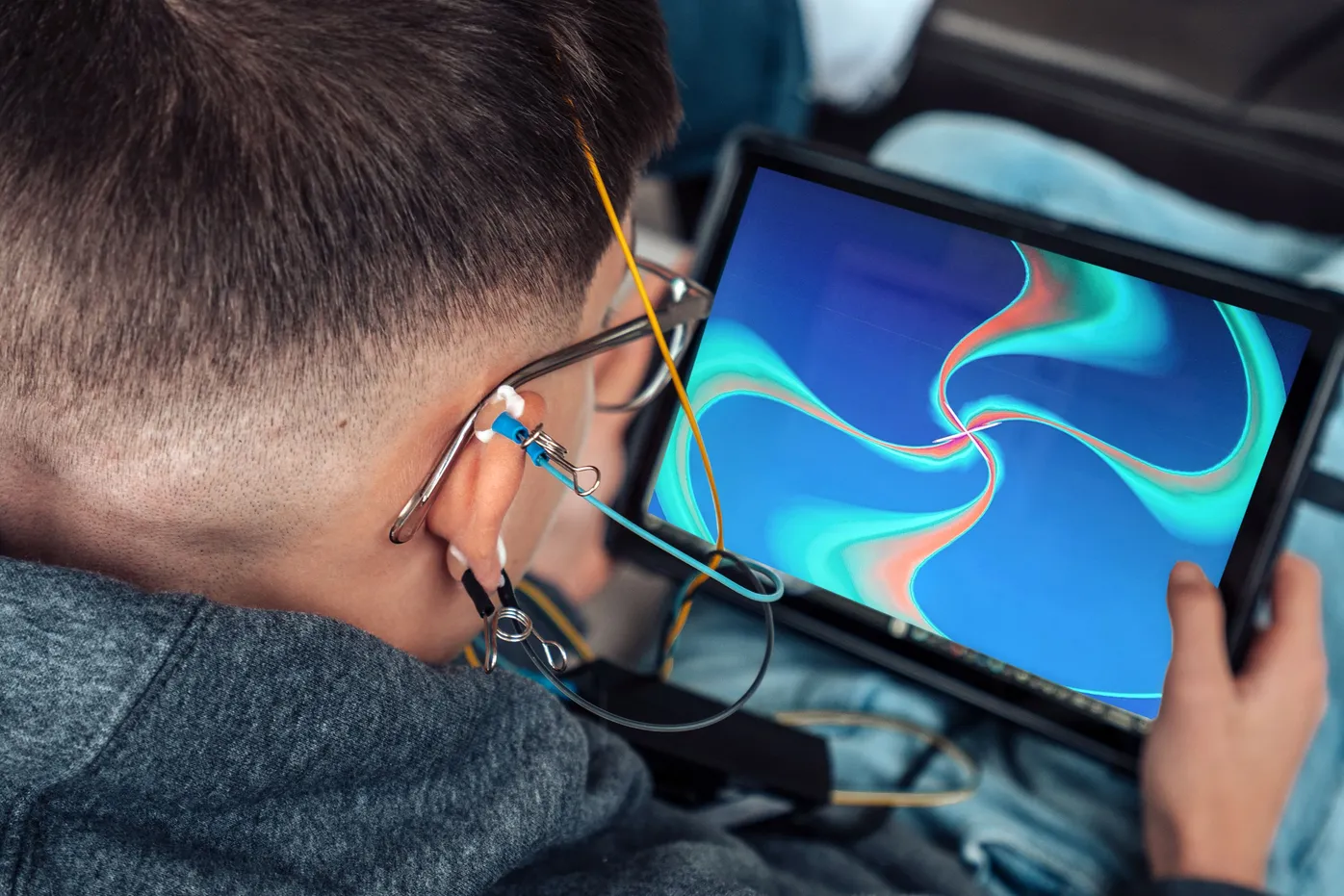
NeurOptimal neurofeedback therapy typically involves a series of sessions. During each session, which lasts about 30-40 minutes, individuals can relax in a comfortable chair with sensors attached to their scalp. They may choose to listen to music, read a book, or just relax, making the process enjoyable and stress-free.
Self-Regulation and Adjustment
Throughout the session, the real-time feedback provided by the NeurOptimal system allows individuals to naturally adjust and regulate their brain function. Over time, this self-regulation leads to improved cognitive function, emotional regulation, and overall well-being.
Personalized Brain Training With NeurOptimal
Benefits and Effectiveness of NeurOptimal
Neuroptimal neurofeedback has been found to be effective in improving a range of psychological and neurological conditions, including anxiety, depression, ADHD, and insomnia. In a study of college students with ADHD, Neuroptimal neurofeedback was found to significantly reduce symptoms of inattention, hyperactivity, self-concept, depression, and anxiety (Harris, 2017). In another study of individuals recovering from chemotherapy with post-cancer cognitive impairment and fatigue were found to experience significant decreases in perceived cognitive deficits, fatigue, sleep, and psychological symptoms following NeurOptimal neurofeedback brain training (Luctkar-Flude, Marian, et al., 2022).
Neurofeedback has been shown to be an effective alternative for children who do not respond to medication or whose parents would prefer a non-pharmaceutical intervention. In a comparison study, both neurofeedback and methylphenidate (Ritalin) resulted in improvements in a variety of measures relevant to ADHD sufferers including intellectual ability and only neurofeedback resulted in better response inhibition (Nazari et al., 2011).
Integration with Other Therapies
Complementary Therapies
Cognitive Behavioral Therapy (CBT): NeurOptimal can be an excellent complement to CBT. While CBT helps clients develop healthier thinking patterns and coping strategies, NeurOptimal can simultaneously work on the neurological underpinnings of these thought processes. Together, they can accelerate progress by addressing both the cognitive and physiological aspects of mental health issues like anxiety and depression.
Eye Movement Desensitization and Reprocessing (EMDR): For clients dealing with trauma, combining NeurOptimal with EMDR can offer dual benefits. EMDR focuses on reprocessing and resolving traumatic memories, while NeurOptimal can help stabilize the brain and improve emotional regulation. This combination can make trauma therapy more tolerable and effective by enhancing the brain’s ability to process and integrate traumatic experiences.
Accelerated Experiential Dynamic Psychotherapy (AEDP): AEDP emphasizes the importance of experiencing, identifying, and processing emotions to heal from trauma. NeurOptimal supports this process by promoting a well-regulated brain state that enhances clients’ capacity for emotional processing. This integration can lead to deeper insights and more profound emotional healing.
Mindfulness-Based Therapies: Integrating NeurOptimal with mindfulness practices enhances the benefits of both. While mindfulness encourages awareness and presence in the moment, NeurOptimal optimizes brain function to better support these mindfulness skills. This can help clients achieve a greater sense of calm and focus both during therapy sessions and in daily life.
Emotionally Focused Therapy (EFT): EFT helps individuals and couples identify and express their emotional needs more effectively. NeurOptimal can amplify the effectiveness of EFT by improving neural flexibility, allowing clients to engage more fully with their emotions and relationships. This can lead to more empathetic interactions and stronger bonds.
Tailored Treatment Plans
Our therapists at Sojourn are skilled in both NeurOptimal Neurofeedback and these complementary therapies. They work collaboratively with each client to develop a personalized treatment plan that integrates the appropriate therapies based on the client’s conditions, preferences, and therapeutic goals. This holistic approach not only addresses immediate symptoms but also promotes long-term mental health and well-being.
By integrating NeurOptimal Neurofeedback with other therapeutic techniques, we can provide comprehensive care that addresses the complexities of each client’s mental health needs. If you are interested in a customized approach that leverages the strengths of multiple therapeutic modalities, we invite you to discuss your options with one of our trained professionals. Together, we can determine the best path forward for your mental health journey.
Finding a NeurOptimal Practitioner
If you are interested in exploring Neuroptimal neurofeedback, it is important to find a licensed and trained practitioner who has experience with this approach. Your practitioner will work with you to understand your unique needs and goals and develop a treatment plan tailored to your specific situation.
Neuroptimal neurofeedback is a promising and unique approach to brain training that uses real-time feedback to help individuals improve their brain function and overall well-being. By providing the brain with information about its own activity, Neuroptimal neurofeedback allows individuals to learn to self-regulate their brain function and improve their cognitive and emotional functioning. If you are interested in exploring Neuroptimal neurofeedback, talk to your healthcare provider or mental health professional to learn more about whether it may be a good fit for you.
All therapists at Sojourn are trained to deliver NeurOptimal neurofeedback. Book an appointment today.
NeurOptimal Frequently Asked Questions:
What Are the Benefits of NeurOptimal Neurofeedback?
Is NeurOptimal Safe?
How many Neuroptimal neurofeedback sessions are typically needed?
What conditions can Neuroptimal neurofeedback help with?
Is Neuroptimal neurofeedback suitable for children?
Yes, Neuroptimal neurofeedback is generally considered suitable for children. Neuroptimal is a non-invasive and gentle therapy that does not involve any medications or invasive procedures. It relies on the brain’s natural ability to self-regulate and optimize its functioning. Children can benefit from Neuroptimal neurofeedback in various ways. It can help improve focus, attention, and concentration, which can be particularly beneficial for children with attention deficit hyperactivity disorder (ADHD) or learning difficulties. It can also support emotional well-being and help children manage stress, anxiety, and regulate their emotions. Additionally, Neuroptimal has been used to address sleep issues in children, promoting healthier sleep patterns. However, it’s essential to consult with a trained professional who specializes in working with children to determine the appropriateness and optimal treatment plan for each child’s specific needs.
Can Neuroptimal neurofeedback improve sleep quality?
Are there any side effects of Neuroptimal neurofeedback?
Can Neuroptimal neurofeedback be used alongside other therapies or treatments?
Neuroptimal neurofeedback can be used alongside other therapies or treatments, making it a versatile complementary approach. It is compatible with various treatment modalities, including psychotherapy, counselling, medication, and other holistic interventions. Neuroptimal neurofeedback works by promoting self-regulation and optimizing brainwave patterns, which can enhance the effectiveness of other therapeutic interventions. When used in conjunction with other treatments, Neuroptimal neurofeedback may help amplify the benefits and facilitate a more comprehensive and holistic approach to healing and well-being. Collaborating with a team of healthcare professionals, including neurofeedback specialists and other therapists, can help develop an integrated treatment plan that maximizes the potential synergistic effects of Neuroptimal neurofeedback with other therapeutic interventions.
How long do the effects of Neuroptimal neurofeedback last?
How is Neuroptimal neurofeedback different from traditional neurofeedback?
Can Neuroptimal neurofeedback help with anxiety and stress?
Is Neuroptimal neurofeedback effective for attention deficit hyperactivity disorder (ADHD)?
Can Neuroptimal neurofeedback help with improving cognitive function?
Can Neuroptimal neurofeedback help with migraines or chronic pain?
What is the success rate of Neuroptimal neurofeedback?
How much does Neuroptimal neurofeedback cost?
Is Neuroptimal neurofeedback covered by insurance?
Insurance coverage for Neuroptimal neurofeedback can vary depending on the specific insurance plan, provider, and region. Some extended health insurance plans or employee benefits packages may offer coverage for alternative therapies, including neurofeedback, but it is important to review the specific policy details or contact the insurance provider directly to determine if Neuroptimal neurofeedback is eligible for coverage. It is also worth noting that coverage may vary between different provinces and territories in Canada. To obtain accurate and up-to-date information regarding insurance coverage for Neuroptimal neurofeedback, it is advisable to consult with the insurance provider directly.
How long has Neuroptimal neurofeedback been in use?
Neuroptimal neurofeedback has been in use for over two decades. The development of Neuroptimal neurofeedback technology began in the late 1990s by Dr. Valdeane Brown and his team at the Zengar Institute Inc. Since then, Neuroptimal neurofeedback has been continuously refined and evolved, incorporating advancements in technology and research findings in the field of neurofeedback. Over the years, Neuroptimal neurofeedback has gained recognition and popularity as a non-invasive and effective approach for promoting self-regulation and optimizing brain functioning. Its use has expanded globally, with trained professionals incorporating Neuroptimal neurofeedback into their practices. We at Sojourn have been using NeurOptimal since 2007 to help individuals improve their well-being, cognitive function, and overall quality of life.
Are there any age restrictions for receiving Neuroptimal neurofeedback?
References:
- Harris, Shaywanna (2017). An Investigation of the Effects of Neurofeedback Training on Attention Deficit-Hyperactivity Disorder (ADHD) Symptoms, Depression, Anxiety, and Academic Self-Efficacy in College Students. Electronic Theses and Dissertations. 5378. https://stars.library.ucf.edu/...
- Luctkar-Flude, Marian, et al. (2022). Exploring the effect of neurofeedback on postcancer cognitive impairment and fatigue: A pilot feasibility study. Canadian Oncology Nursing Journal. 32(2).
- Markovitz, C. D., Calhoun, V. D., & Larson, C. L. (2015). Temporally dynamic brain networks supporting working memory and attentional control. Neuroimage, 117, 4-16.
- Nazari, Mohammed Ali, et al. (2011). Effectiveness of EEG Biofeedback as Compared with Methylphenidate in the Treatment of Attention-Deficit/Hyerpactivity Disorder: A Clinical Outcome Study. Neuroscience & Medicine, 2, 78-86.
Contact Us
Get in Touch: