Book Your Assessment Now
Asking the Right Questions: Is Your Brain the Missing Piece?
Have you ever wondered whether your difficulty focusing at work or school is connected to how your brain operates? Do you find yourself stuck in cycles of anxiety or stress, no matter how hard you try to break free? Maybe you’re struggling to get restful sleep, manage your mood, or even just keep up with life’s demands.
These challenges can feel overwhelming, and it’s natural to ask why. Is it something you’re doing wrong? Or could it be that your brain is working in ways you don’t fully understand yet?
What if there was a way to gain deeper insight into how your brain’s activity might be contributing to these issues? What if understanding this could be the first step toward real and lasting change?
An EEG assessment, also known as a Clinical Q, offers exactly that—a glimpse into the inner workings of your brain. By identifying patterns in your brain’s electrical activity, this simple, non-invasive process can reveal valuable information about how your brain may be influencing your focus, mood, sleep, and overall well-being.
Curious to know more? Let’s explore how this powerful tool could help you better understand yourself and start building a path toward relief.
What Is an EEG Assessment (Clinical Q)?
An EEG assessment, or Clinical Q, is a simple and non-invasive way to take a closer look at your brain’s activity. EEG stands for electroencephalogram, which is a method of recording the electrical signals your brain produces. Think of it like a snapshot of your brain’s performance—a “brain map” that highlights how different areas of your brain are functioning.
During the assessment, small sensors are placed on your scalp to detect these electrical signals. The process is painless, safe, and takes just a short amount of time. Once the data is collected, it’s analyzed to identify specific patterns that may be linked to symptoms or challenges you’re experiencing.
For example, the assessment might reveal areas of the brain that are overactive, underactive, or not communicating as effectively as they could be. These patterns can offer valuable insights into why you might be struggling with focus, sleep, mood regulation, or even feelings of chronic stress.
The best part? This information isn’t just interesting—it’s actionable. The results of your EEG assessment can guide personalized interventions, like neurofeedback training, to help your brain work more efficiently and improve your overall well-being.
Understanding your brain is the first step toward transforming your struggles into progress. Let’s dive deeper into how these results connect to the challenges you face.
How Does the EEG Assessment Relate to Your Life?
The EEG assessment doesn’t just provide interesting facts about your brain—it offers practical insights into the challenges you face every day. By mapping your brain’s activity, the Clinical Q can help explain the “why” behind your struggles and offer a path forward.
Here are some common concerns that an EEG assessment can help clarify:
- Difficulty concentrating: Whether it’s zoning out in meetings or struggling to complete tasks, focus issues can stem from imbalances in the brain.
- Chronic stress and anxiety: If you often feel overwhelmed or on edge, your brain’s activity patterns might be amplifying these feelings.
- Trouble sleeping: Difficulty falling asleep or staying asleep may be linked to overactivity in certain areas of the brain.
- Mood swings or emotional challenges: If you find it hard to regulate your emotions, it could be a result of how your brain processes stress or stimuli.
- Feelings of being “stuck” in patterns of behaviour: Whether it’s procrastination, low motivation, or repeated cycles of worry, these habits may be tied to how your brain is functioning.
Understanding these patterns can provide a new perspective on your challenges. Instead of blaming yourself for not “trying hard enough,” you can see how your brain’s activity might be influencing your experiences.
Most importantly, the insights gained from your EEG assessment are the starting point for meaningful change. By identifying the root of your symptoms, we can create a personalized approach to help you move forward. Next, we’ll explore how this brain map can guide targeted, effective interventions like neurofeedback.
What Can the Results Reveal?
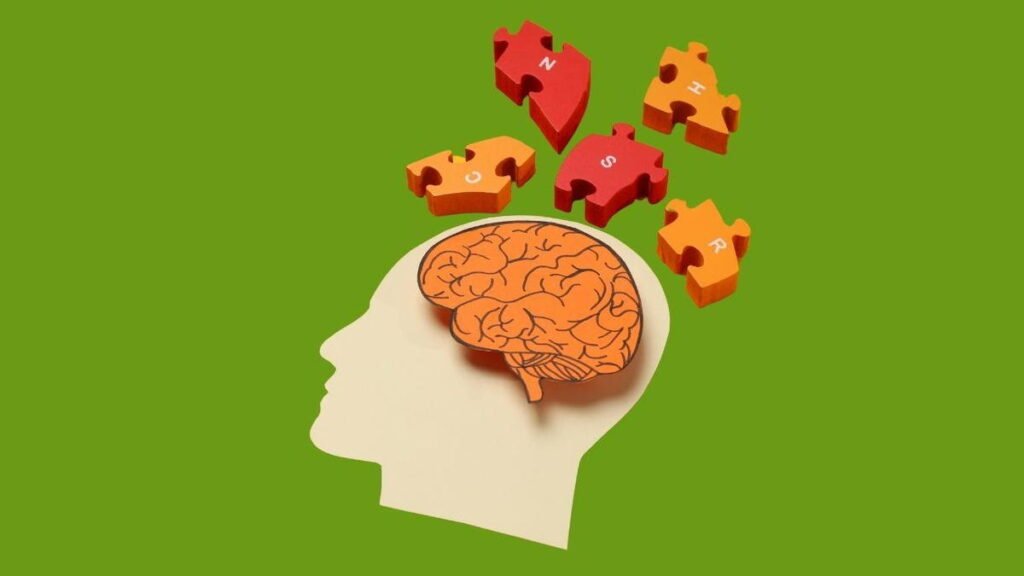
The results of an EEG assessment, or brain map, can be incredibly illuminating. This detailed snapshot of your brain’s activity highlights specific patterns that may explain the symptoms you’re experiencing.
Here’s what the results can reveal:
- Overactive brain areas: If certain parts of your brain are working overtime, it could explain why you feel anxious, have racing thoughts, or struggle to relax.
- Underactive brain areas: When areas of the brain are underperforming, you might feel low energy, difficulty concentrating, or even symptoms of depression.
- Imbalances in brainwave activity: The brain operates using a mix of electrical signals, or brainwaves. An imbalance in these waves could contribute to problems like poor sleep, irritability, or trouble staying focused.
- Communication between brain regions: The brain is like a team—different areas need to work together smoothly. If communication is disrupted, it might lead to difficulties with memory, decision-making, or emotional regulation.
By identifying these patterns, the EEG assessment provides a clear understanding of what’s happening beneath the surface. It bridges the gap between the symptoms you experience and the neurological activity that contributes to them.
But this isn’t just about gaining knowledge—it’s about creating a solution. These results form the foundation for a personalized approach to improving your brain’s functioning through neurofeedback training, helping you achieve balance and relief.
Ready to see how this works? Let’s explore how neurofeedback can take these insights and transform them into meaningful progress.
Using the Results for Neurofeedback Training
Once your EEG assessment has provided a detailed map of your brain’s activity, the next step is turning those insights into action. That’s where neurofeedback training comes in.
Neurofeedback is a cutting-edge, drug-free approach that helps your brain learn to regulate itself more effectively. It uses the information from your EEG results to create a personalized training program tailored to your unique needs.
Here’s how it works:
- Training your brain: Neurofeedback sessions involve sitting comfortably while watching a screen or listening to sounds. These visuals or sounds change in response to your brain’s activity in real-time, encouraging your brain to adjust and move toward more balanced functioning.
- Targeted improvements: Based on your brain map, neurofeedback focuses on the specific areas of your brain that need attention, whether it’s reducing overactivity linked to anxiety or strengthening underactive areas to improve focus and energy.
- A natural process: Over time, your brain learns to self-regulate, promoting lasting changes in how it operates. Many clients report improvements in sleep, mood, focus, and emotional resilience as a result of consistent training.
Think of neurofeedback as a workout for your brain. Just like exercise helps strengthen your body, neurofeedback helps your brain function more efficiently, leading to a better quality of life.
The beauty of this process is that it’s entirely personalized. Your EEG assessment ensures that every step is tailored to your brain’s unique needs, making it a targeted and effective way to address your challenges.
Ready to take the next step? Let’s talk about how you can book your EEG assessment today.
How to Book Your EEG Assessment
Taking the first step toward understanding your brain and improving your well-being is easier than you think. Booking an EEG assessment with our team is simple and convenient. Here’s how you can get started:
- Visit our online booking platform: Head to [insert link] to schedule your EEG assessment at a time that works for you. Our user-friendly system makes it quick and easy to secure your spot.
- Choose your appointment: Select the EEG assessment option and pick a date and time that fits your schedule.
- Prepare for your session: After booking, you’ll receive detailed instructions about what to expect during your appointment and how to prepare.
Our knowledgeable and friendly staff will guide you through the entire process, ensuring you feel comfortable and supported every step of the way.
The insights you’ll gain from your EEG assessment could be the turning point you’ve been looking for. By uncovering how your brain functions, you can take control of your well-being and begin your journey toward meaningful change.
Don’t wait to start this transformative process—book your EEG assessment today and take the first step toward understanding and training your brain.
Book Your Assessment Now
Your Brain, Your Journey
An EEG assessment is more than just a test—it’s a powerful tool for self-discovery and growth. By understanding how your brain operates, you can uncover the root causes of struggles like anxiety, focus issues, sleep problems, and more. This knowledge is the foundation for creating lasting change through neurofeedback training.
Imagine what life could feel like with a more balanced, better-functioning brain. Picture yourself feeling calmer, more focused, and better equipped to handle life’s challenges. The journey starts with understanding your brain—and we’re here to guide you every step of the way.
Take the first step today. Book your EEG assessment, and let us help you unlock the potential for a happier, healthier you. Your brain is the key to your well-being—let’s start this journey together.
Schedule Your Appointment Now